Real-time AV processor.
The Swiss army knife of the AV world.
Thanks — you're in.
We'll be in touch when there's something worth saying.
What it is
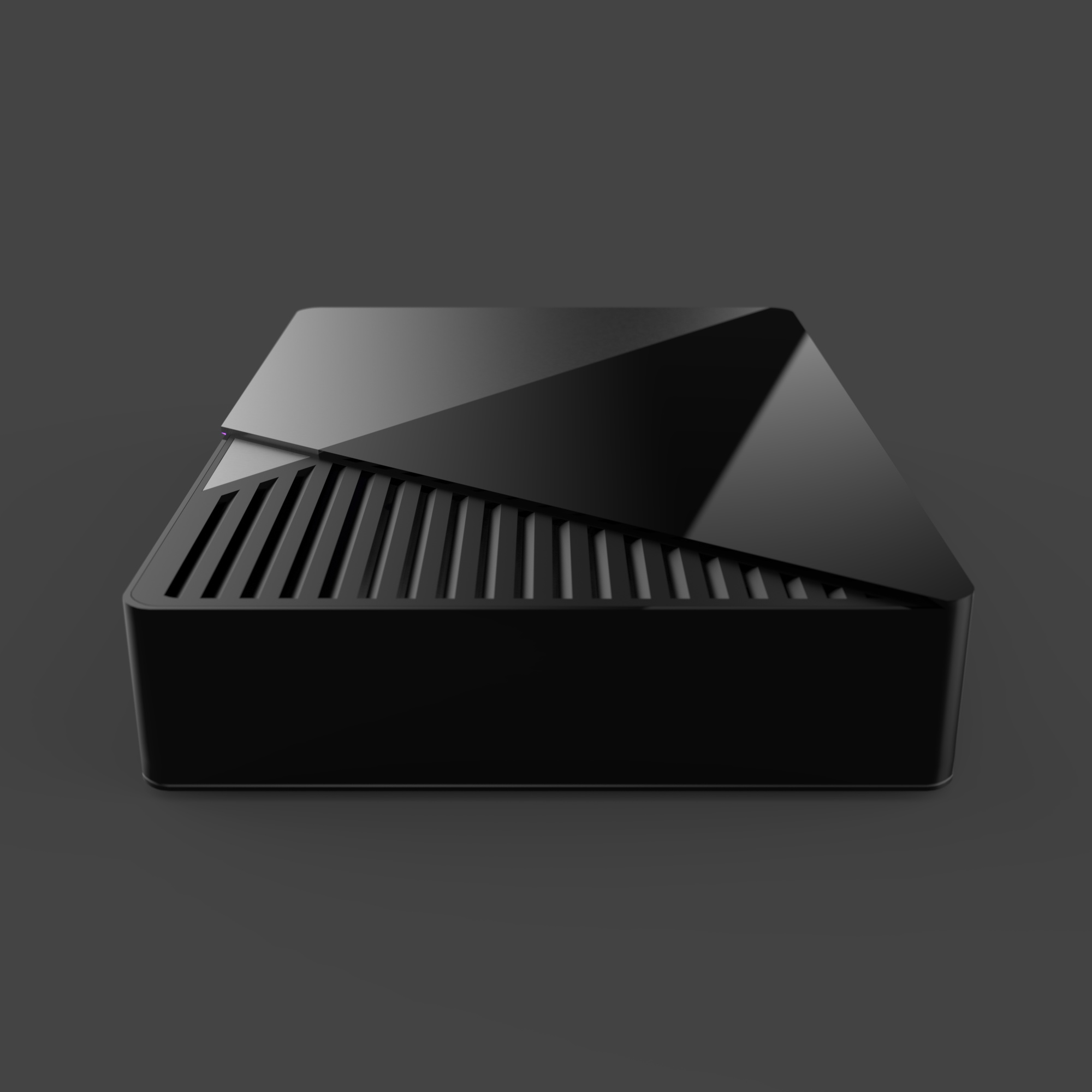
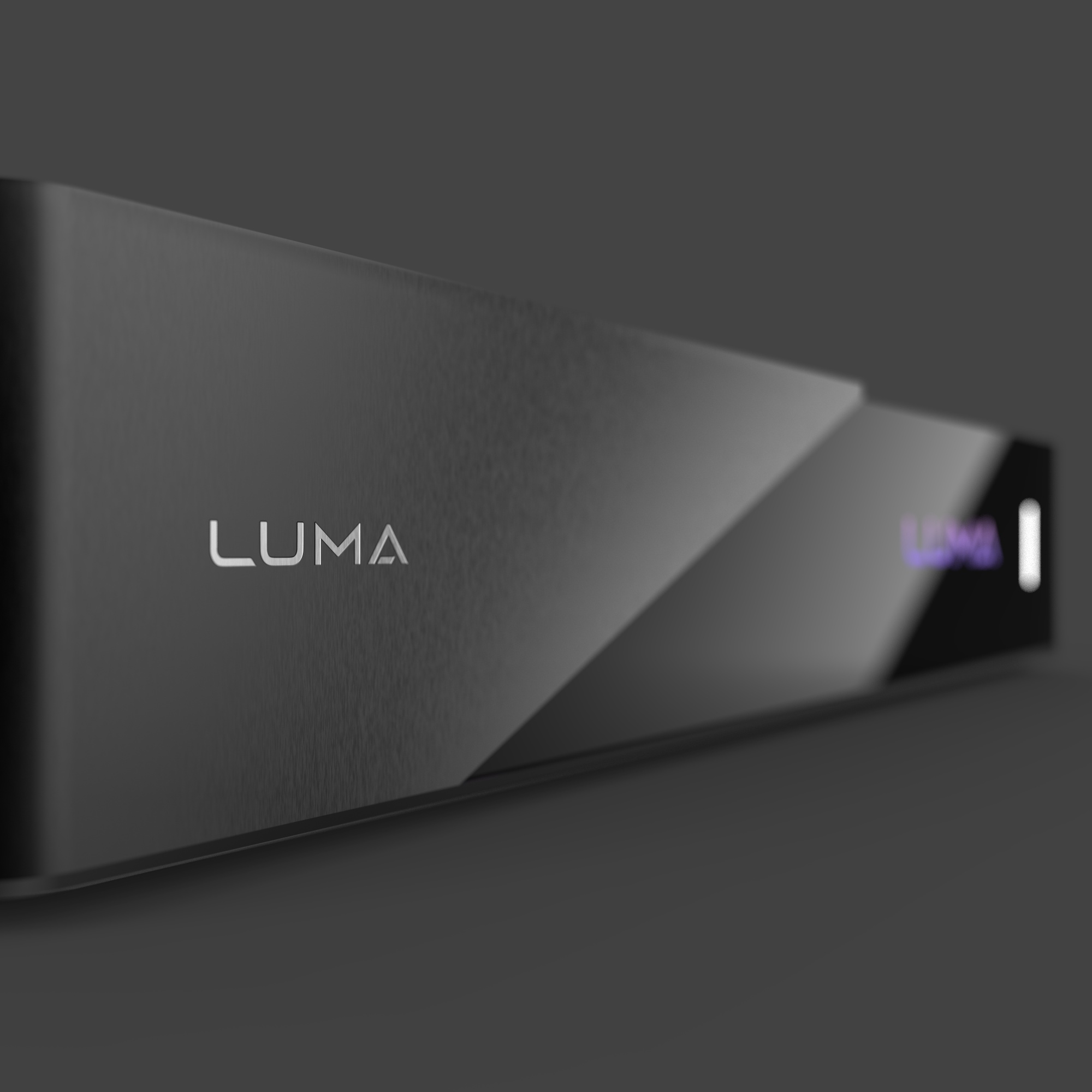
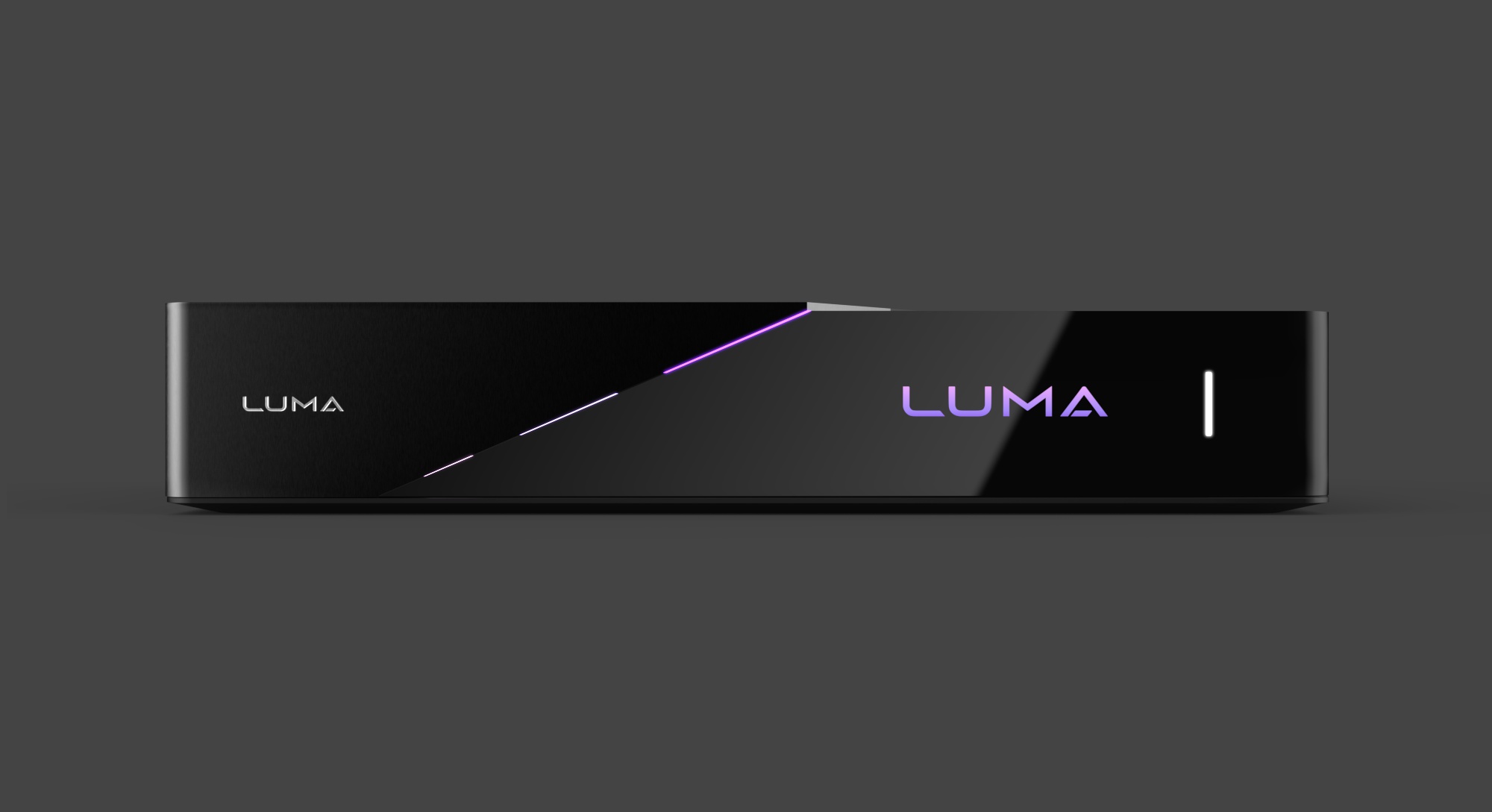
- A simple HDMI in, HDMI out box (fanless).
- HDCP compliant.
- Real-time AV processor — works with any HDMI source, single-frame end-to-end latency, no buffering, no re-encoding.
What it does
- Tone mapping — our own algorithm with libplacebo alternative, selectable.
- Aspect Detection — detect black bars within frame on any source, to apply shifting / scaling automatically.
- Scaling — anamorphic at any ratio, linear, NLS (non-linear).
- Shifting — by pixel or percentage; any anchor (top/bottom × left/right) and combinations.
- Projector stacking — master + slave (two devices required), alignment plus image / tone-map division.
- Subtitle management — OCR reads subtitles burned into letterbox bars and surfaces them over the visible image.
- 3D LUT — 2³ to 65³ files, with support for multiple LUTs loaded based on frame ADL level (interpolation inbetween).
- Keystone correction — 8-point, barrel + pincushion, general alignment, sub-pixel precision.
- Chromatic aberration correction — up to 33×33 vertices, sub-pixel adjustments, auto-derived from your phone camera.
- Chroma upsampling.
- Home theater automation — auto-switch profiles per source, drive projectors / lights / masking / AV gear, IFTTT-style rules, webhooks, third-party device control over IP.
What it supports
Input
- LLDV up to 4K @ 60 fps, 12-bit 4:2:2 — 17.82 Gb/s.
- HDR up to 4K @ 60 fps, 10-bit 4:2:2 — 14.85 Gb/s.
- SDR up to 4K @ 60 fps, 8-bit 4:4:4 — 17.82 Gb/s.
Output
- Up to 4K @ 120 fps, 10-bit 4:4:4 over FRL (HDMI 2.1) — optional frame doubling for 60 fps sources, quintupling for 24 fps.
- 12-bit 4:2:2 LLDV.
- HDR / SDR — BT.709 or BT.2020, configurable.
How it's controlled
- Web interface at
luma.local— Wi-Fi or Ethernet. - Mobile app — iOS and Android.
- API — open and documented.
On the roadmap
- Streaming from NAS or local storage.
- Dolby Vision support (subject to license).
When can I get it?
Initial prototype hardware and software is already running end-to-end. Production hardware spin is underway. Full timeline announced once the final BOM is settled.
How much will it cost?
Priced for enthusiasts, not corporate AV budgets. Pre-orders will be less than $499. Specific pricing alongside the timeline.
How do I get involved?
Register your email (and any feedback) at the top of this page.